
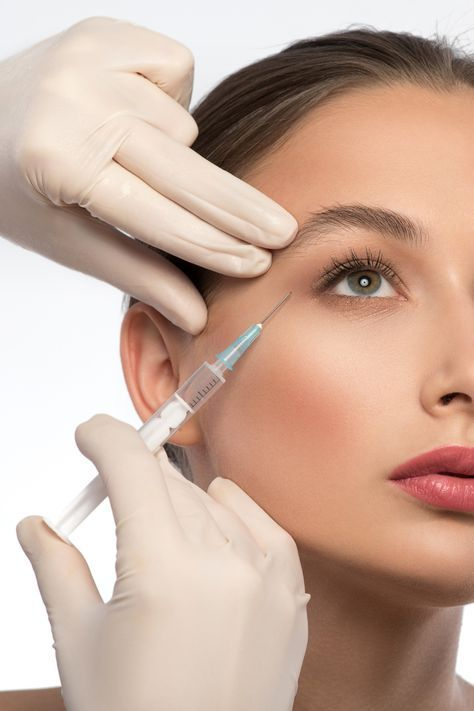
Determining the exact duration of a cosmetic injectable session requires an understanding of clinical variables. When we administer a Natural Filler, we typically allocate a 45 to 60-minute window for the entire appointment. This timeframe is not arbitrary; it accounts for the physiological response of the skin to topical agents and the technical precision required for sub-dermal placement. While the active injection phase is relatively short, the preparatory and stabilization stages are mandatory for a safe and symmetrical outcome.
Pre-Injection Clinical Preparation
At Stay Ageless Clinic, we begin every session with a final skin assessment and cleanse the target areas with medical-grade antiseptic solutions. This initial step takes about five minutes but is critical to prevent surface bacteria from entering the deeper dermal layers. After the cleanse, we apply a topical anesthetic, usually a lidocaine-based cream, to the injection sites.
The numbing phase takes about 15 to 20 minutes to reach peak effectiveness. During this period, we map the facial anatomy, identifying key landmarks and vascular pathways to avoid. This preparation differs from a Laser Facial or a Botox session, which may require less lead time for topical desensitization, depending on treatment depth. We use this interval to confirm the patient’s immediate health status and review the rheology of the chosen product.
The Injection Phase: Technical Breakdown
The core of the procedure, the actual placement of the Natural Filler, usually takes between 15 and 30 minutes. The duration primarily depends on the surface area and the depth of the injections. For example, addressing personal lines is faster than performing a multi-layered mid-face restoration. We use either fine-gauge needles or micro-cannulas, depending on the anatomical requirements of the region.
- Aspiration: We perform a brief aspiration before each injection to verify that the needle tip is not within a blood vessel.
- Incremental Dosing: We deposit the material in small, controlled boluses or retrograde linear threads to maintain precise control over the volume.
- Tissue Integration: We pause frequently to allow the material to settle and to assess the immediate structural changes in the tissue.
If we are integrating other modalities, such as a Laser Facial or Botox, we must coordinate timing to prevent local inflammation from compromising the results of the injectable. Often, these treatments are spaced out or performed in a specific sequence to preserve the integrity of the dermal matrix.
Post-Injection Stabilization and Symmetry Check
After completing the injections, we spend 10 minutes on the final stabilization of the Natural Filler. This includes a manual assessment of the contours from multiple angles. We may use gentle palpation to mold the product, helping it integrate with the face’s natural fat pads and muscle structures. This stage is vital to prevent nodules or visible asymmetries.
We also apply cold compresses immediately after the final injection. This helps vasoconstrict the blood vessels, limiting the potential for bruising and controlling the initial inflammatory response. This cooling period is a standard part of our clinical workflow and contributes to the total time the patient spends in the treatment chair.
Factors That Influence Total Procedure Time
While we strive for a consistent schedule, certain factors can cause appointments to run longer. We prioritize technical accuracy over a strict schedule, especially in complex cases.
- Injection Site Complexity: Areas like the tear troughs or the nose (non-surgical rhinoplasty) require a slower, more cautious approach due to the proximity of critical vascular structures.
- Volume of Product: A session requiring three or four syringes of Natural Filler will naturally take longer than a single-syringe touch-up.
- Patient History: Patients with a history of sensitivity or those prone to vasovagal responses may require a slower pace and additional monitoring time.
- Combination Protocols: When we combine fillers with other neuromodulators or skin resurfacing tools, the setup and execution times increase accordingly.
Clinical Workflow Summary
To provide a clear expectation of the time spent at Stay Ageless Clinic, we follow this structured timeline for most injectable procedures:
- Intake and Sanitization (5 Minutes): Clearing the skin of contaminants and marking the treatment map.
- Topical Anesthesia (20 Minutes): Allowing the lidocaine to penetrate the epidermis for a painless experience.
- Active Administration (15-30 Minutes): The precise delivery of the product into the subcutaneous or supraperiosteal layers.
- Assessment and Cooling (10 Minutes): Final molding of the material and application of ice to reduce swelling.
- Aftercare Instruction (5 Minutes): A professional briefing on what to expect during the next 48 hours.
Technical Precision vs. Speed
We maintain a professional stance that speed should never compromise safety. In medical aesthetics, the goal is a predictable, stable result that lasts for the product’s lifespan. By dedicating a full hour to the process, we provide the necessary environment for the practitioner to work with high-level accuracy.
The settling of the product is a biological process that begins the moment the material leaves the syringe. Rushing this integration can lead to suboptimal placement or increased downtime for the patient. Whether we are treating a single area or performing a full-face structural adjustment, our commitment to a process-driven approach remains unchanged.
Final Technical Observations
The typical procedure time for natural filler injections reflects the care required to handle modern bio-stimulatory and hyaluronic acid products. We focus on the science of the injection, maintaining consistent depth, angle, and pressure throughout the session. This methodical pacing is what separates a professional clinical experience from a hurried commercial one.By understanding the step-by-step requirements of the procedure, patients can better prepare for their visit. We recommend arriving a few minutes early to complete the necessary clinical paperwork, which helps keep the numbing and injection phases on schedule. At Stay Ageless Clinic, our focus remains on the technical execution of each treatment, providing a standardized, reliable clinical outcome for every patient we treat in the United States.
Client Experience
I scheduled my appointment at Stay Ageless Clinic expecting a quick procedure, but I appreciated how structured and methodical the entire process felt. From the moment I arrived, the team walked me through each step, starting with a detailed skin assessment and preparation. The numbing phase took about 20 minutes, which gave me time to feel comfortable before the injections began.
During the injection phase, I noticed how precise and controlled each step was. The practitioner worked slowly, pausing between injections to check placement and symmetry. It didn’t feel rushed at any point, which made me more confident in the process.
After the procedure, they spent time assessing the results and applying cold compresses to manage swelling. The entire session lasted close to an hour, just as explained. I left feeling informed, comfortable, and satisfied with how carefully everything was handled.
FAQ
1. How long does a natural filler injection appointment usually take?
Most appointments take between 45 and 60 minutes. This includes preparation, numbing, the injection process, and post-treatment assessment.
2. How long does the actual injection phase last?
The injection itself typically takes 15 to 30 minutes, depending on the treatment area and the amount of product used.
3. Why is there a waiting period before the injections begin?
A topical anesthetic is applied to reduce discomfort, and it usually takes 15 to 20 minutes to become fully effective before the procedure starts.
4. What happens after the injections are completed?
After the injections, the practitioner checks symmetry, may gently adjust the product, and applies cold compresses to reduce swelling and minimize bruising.
5. What factors can affect the total procedure time?
Procedure time can vary based on the complexity of the treatment area, the volume of filler used, patient sensitivity, and whether additional treatments are included.