
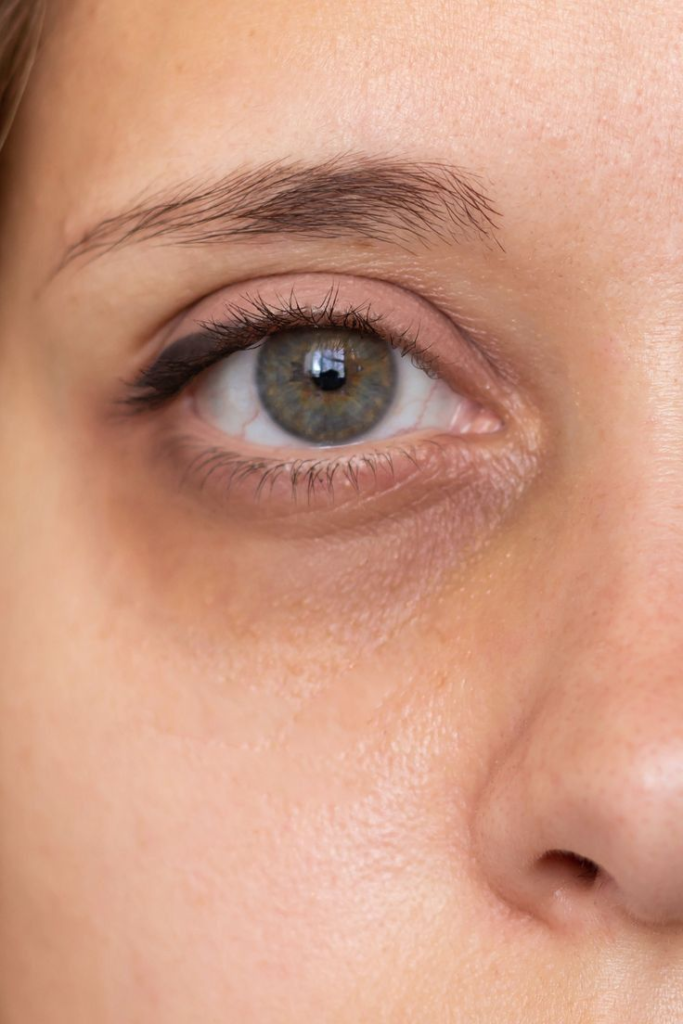
Many adults seek practical ways to reduce the appearance of dark circles without invasive procedures. Concerns about dark circles are common across the United States, especially among individuals balancing busy schedules, stress, and natural aging.
We frequently talk to patients at Stay Ageless who are annoyed by persistent discoloration under their eyes. Although makeup can momentarily cover up shadows, many people prefer ingredient-based skincare products that more directly address the underlying causes. A crucial first step is figuring out what causes under-eye issues and which ingredients might be helpful.
Why Is Under-Eye Discoloration So Common?
There are various reasons why shadows may form under the eyes. Regardless of lifestyle, some people are more susceptible to under-eye discoloration due to genetics. Because the skin naturally thins with age, blood vessels become more noticeable. Inconsistent pigmentation, allergies, sun exposure, and sleep deprivation can also be factors.
There is not a single product that works for everyone because there are several causes. A more deliberate approach is provided by selecting skincare products based on the underlying problem.
Topical products can help reduce the appearance of dark circles over time. However, results are gradual and depend on consistency and skin type. Setting realistic expectations is key.
Understanding the Causes of Dark Circles
We advise patients to think about potential causes of their under-eye issues before choosing ingredients.
Pigmentation-Related Discoloration
Some people develop brownish discoloration under their eyes as a result of increased melanin production. Certain skin tones are more likely to have this type, which can get worse in the sun. In these situations, ingredients that address uneven tone might be useful.
Thinning Skin and Visible Blood Vessels
The under-eye area thins as collagen levels decline with age. This produces a bluish or purplish appearance by drawing attention to the blood vessels underneath. This kind of discoloration may appear better if collagen production is encouraged.
Puffiness and Shadowing
Puffiness may be caused by changes in the fat pad or fluid retention. Swelling can cast a shadow that makes the area appear darker than it is. This effect might be lessened by ingredients that deal with fluid accumulation.
Lifestyle and Environmental Factors
Smoking, sun exposure, sleep deprivation, and dehydration can all exacerbate the appearance of under-eye circles. Better results are frequently obtained when these habits are addressed in addition to skincare.
Selecting ingredients is aided by determining the most likely cause. For instance, shadowing associated with puffiness reacts differently than pigmentation issues.
Top Skincare Ingredients That May Help
The ingredients listed below are frequently found in formulas intended to lessen the visibility of dark circles.
Vitamin C
The brightening properties of vitamin C are well known. It protects against environmental stressors and promotes a more even skin tone. Regular application of a stable vitamin C formulation may progressively improve the appearance of discoloration caused by pigmentation.
In addition, vitamin C supports collagen production, which may benefit individuals with thin under-eye skin.
Retinol
Vitamin A derivative retinol promotes collagen synthesis and cell turnover. Retinol may help gradually thicken the area because visible vessels are a result of thinning skin.
But the area beneath the eyes is sensitive. To reduce irritation, we advise using it only a few times a week and starting with a low concentration.
Caffeine
Eye creams that target puffiness frequently contain caffeine. It reduces fluid accumulation by momentarily narrowing blood vessels. This could reduce the shadowing effect that draws attention to discoloration under the eyes.
Products with caffeine are frequently beneficial in the morning, especially when swelling is more noticeable.
Niacinamide
Vitamin B3, or niacinamide, helps to maintain the skin’s protective layer and encourages a more balanced complexion. It can help with mild pigmentation irregularities and is generally well-tolerated.
For those with sensitive skin who wish to treat under-eye discoloration without causing irritation, niacinamide is a good choice due to its gentle nature.
Hyaluronic Acid
The under-eye area may appear creased or hollow due to dehydration. The skin looks smoother and more hydrated thanks to hyaluronic acid’s ability to draw and retain moisture.
While better hydration does not directly alter pigmentation, it may make fine lines and shadows less noticeable.
Peptides
Short chains of amino acids called peptides aid in the synthesis of collagen. They might eventually make the under-eye area firmer.
Peptides may be used in conjunction with other ingredients like vitamin C or retinol for people who are thinning due to age.
Natural and Gentle Options
Some adults prefer plant-based ingredients or gentler formulations.
Green Tea and Chamomile
Antioxidants found in green tea soothe the skin and may lessen mild edema. It is well known that chamomile has calming effects. These ingredients may lessen irritation and promote general skin comfort, but they are not drastic remedies.
Cooling Eye Gels
Puffiness can be momentarily reduced with cooling applicators or chilled gels. Blood vessel constriction brought on by the cooling sensation may lessen the visibility of under-eye shadows.
Sun Protection
Sunscreen should be used every day. Exposure to ultraviolet light can hasten the loss of collagen and exacerbate pigmentation. Preventing additional discoloration around the orbital bone can be achieved by carefully applying sunscreen.
When Skincare May Not Be Enough?
Dark circles can occasionally be inherited or structural. Topical treatments might not completely address hereditary pigmentation, noticeable changes in the fat pad, or hollowing under the eyes.
At Stay Ageless, we discuss both noninvasive and minimally invasive options with patients across the United States. Treatments such as under-eye PRF may support collagen production using the patient’s own platelets. Under-eye PRF is sometimes considered when thinning skin is a primary factor.
Some patients ask about dermal treatments for volume-related issues. Although lip filler is made especially to add volume to the lips, it serves as an example of how certain structural issues can be addressed with targeted injectable options. Although lip filler is not applied beneath the eyes, it does demonstrate how different facial regions call for various techniques.
Understanding when topical care alone may have limitations is the aim, not replacing skincare. Options are clarified during a consultation without making exaggerated claims.
How to Build an Effective Under-Eye Routine?
Often, a routine yields better results than frequent product changes.
Gentle Cleansing
Make use of a gentle cleanser that does not cause skin stripping. Scrubbing too hard can exacerbate irritation and increase the visibility of discoloration.
Layering Products Properly
Creams should be applied after light serums. Apply retinol at night, and then use a hydrating product afterward. Vitamin C can be applied before sunscreen during the day.
Consistency Over Time
Before noticeable changes happen, most topical ingredients need to be used consistently for several weeks. Progress may be delayed if applications are skipped.
Sun Protection
Using sunscreen every day is still one of the most crucial actions. Over time, even modest exposure to the sun can cause pigmentation.
A Balanced Perspective on Treatment Options
Some patients want to know how skincare compares to cosmetic injectables or under-eye PRF. Topical ingredients concentrate on surface-level improvements and collagen support, whereas lip filler and other treatments target particular volume issues.
Each strategy has a place. We help patients at Stay Ageless set reasonable expectations. Although ingredient-based care does not change genetics or bone structure, it may gradually lessen the appearance of dark circles.
Adults can make wise decisions if they know the difference between skincare and procedural treatments.
Key Takeaways
Under-eye discoloration is a common concern influenced by genetics, aging, pigmentation, and lifestyle factors. Ingredient-based skincare can help reduce the appearance of dark circles when selected thoughtfully and used consistently.
Vitamin C, retinol, caffeine, niacinamide, hyaluronic acid, and peptides each address different contributing factors. Gentle plant extracts and sun protection further support skin health.
However, results take time, and some concerns may not respond fully to topical care. In those situations, consultation with experienced professionals, such as our team at Stay Ageless, can guide additional options.
By approaching treatment with patience and realistic expectations, adults can choose solutions that align with their goals and comfort level while maintaining a natural, well-informed skincare routine.
